The small-space growing guide
Microgreen seeds for beginners: which to buy first
No. Sprouts are eaten whole after a warm wet germination; microgreens are cut above the mix. A small packet often does not cover a 1020 tray: Utah State's radish rate is 42 grams, so compare the bag weight with the calculator.
Buy one crop first. Microgreen seeds for a beginner are easier as a single named crop than as a mix you cannot separate. Radish is the lighter first tray in the Utah State table. Pea is milder and much heavier.
We earn a commission from purchases through this page.
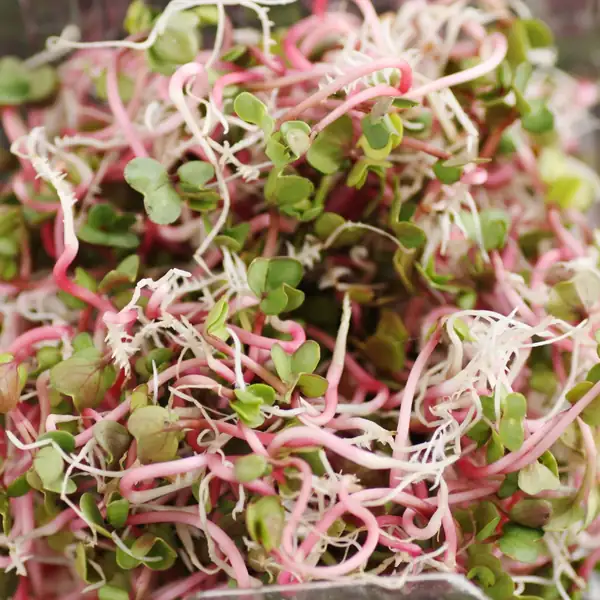
The phrase microgreen seeds covers a lot of packets. Some are sold for the greens you cut above the mix. Some are sold for jar sprouts, which you eat whole, root and seed included. Those are different foods. Penn State recommends high-quality seed that has not been chemically treated or coated. A low price does not tell you the seed is meant for eating as a microgreen.
Which crop to buy first
Utah State prints a gram amount for a 10 by 20 inch tray. Radish is 42 grams, with no presoak in that table, and a harvest window of about 8 to 12 days. Broccoli in that table is 28 grams, also without a presoak. Pea is 150 grams, weighed dry, then soaked about 6 hours. Sunflower in that table is 48 grams, with a longer soak. Those numbers are a planning start. They are not a promise that a bag from any seller will finish on that day.
A first tray does not need the full 10 by 20 inch flat. A 10 by 10 inch tray is about half the area, so it needs about half the seed. Use the seed calculator for your tray, then check that the bag covers that dry weight. A 4 gram packet of radish will not sow a full 10 by 20 inch tray at 42 grams. Buy the size that matches the tray you will actually use.
Do not mix the crops in one tray. Illinois Extension splits faster crops from slower ones, and pea needs a soak that radish does not. One crop, one tray, one note of what you cut. The comparison of the two most common first crops is pea shoots vs radish.
Start with one named crop
Radish is the lighter first tray in the Utah State table. Buy a bag that covers the dry grams for your tray.
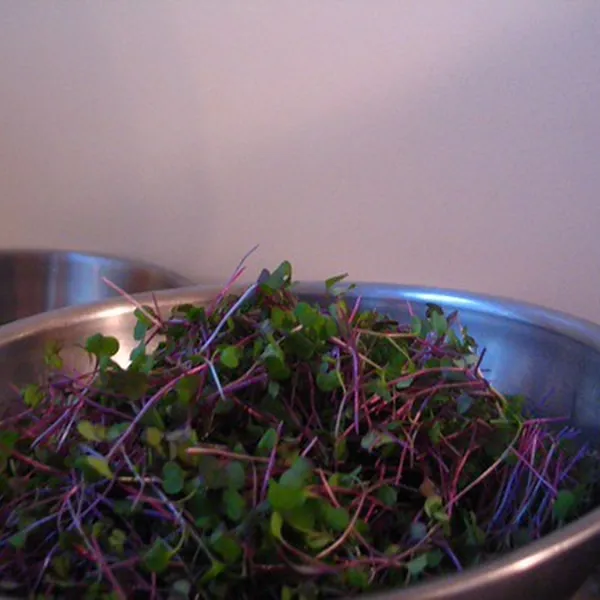
Photo: jonny.hunter Beginner
True Leaf Market Radish microgreen seed
42 g on a 1020 tray. About 21 g on a 10 by 10.
See radish seed (opens in a new tab)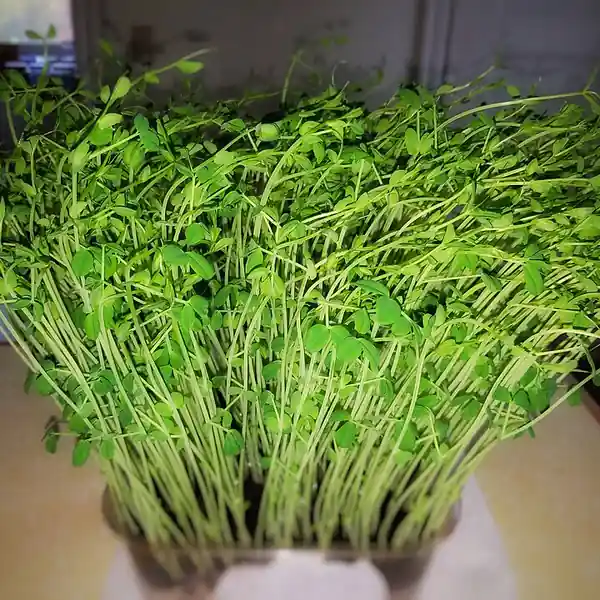
Photo: Daderot Foodie
True Leaf Market Pea microgreen seed
150 g on a 1020 tray. About 75 g on a 10 by 10.
See pea seed (opens in a new tab)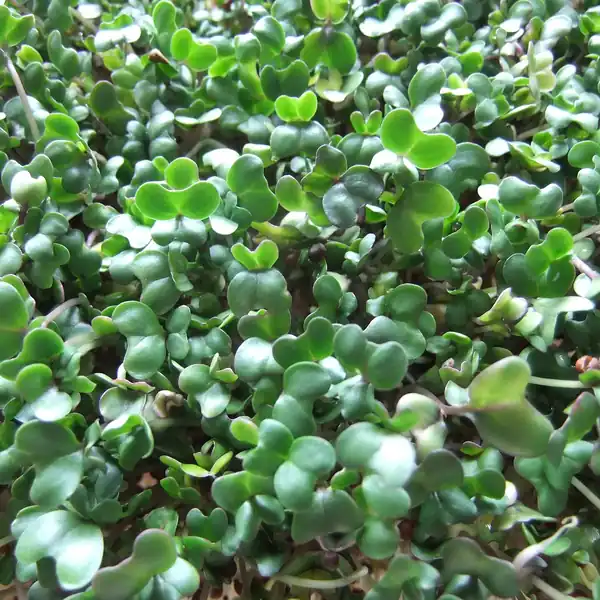
Photo: Julie Gibbons Beginner
True Leaf Market Broccoli microgreen seed
28 g on a 1020 tray. Check that the bag covers that weight.
See broccoli seed (opens in a new tab)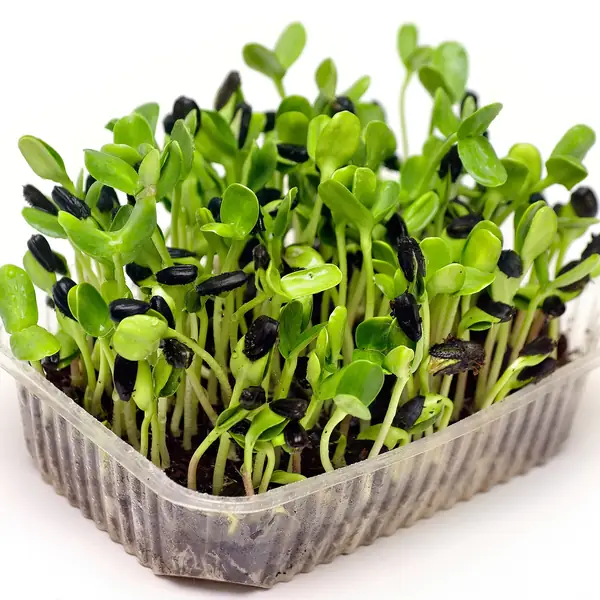
Photo: Pannet Beginner
True Leaf Market Sunflower microgreen seed
48 g on a 1020 tray, after a soak. Check the bag.
See sunflower seed (opens in a new tab)
Organic seed from High Mowing
These are named organic microgreen crops from High Mowing Organic Seeds.
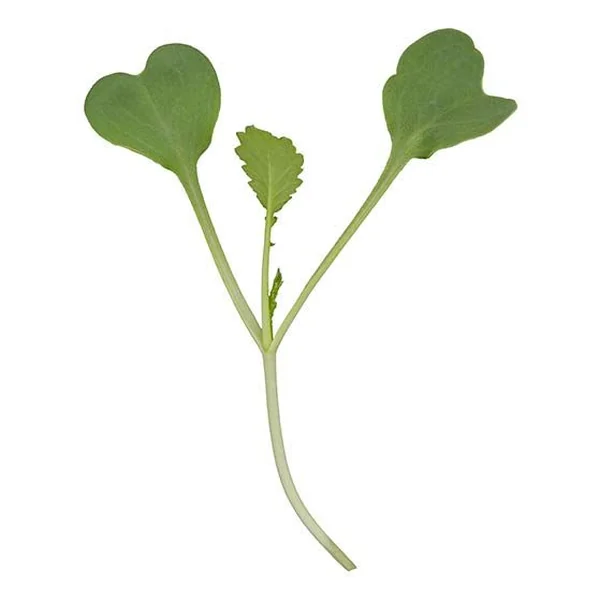
Photo: High Mowing High Mowing Daikon radish microgreen seed
Organic daikon radish seed for a first tray.
View at High Mowing (opens in a new tab)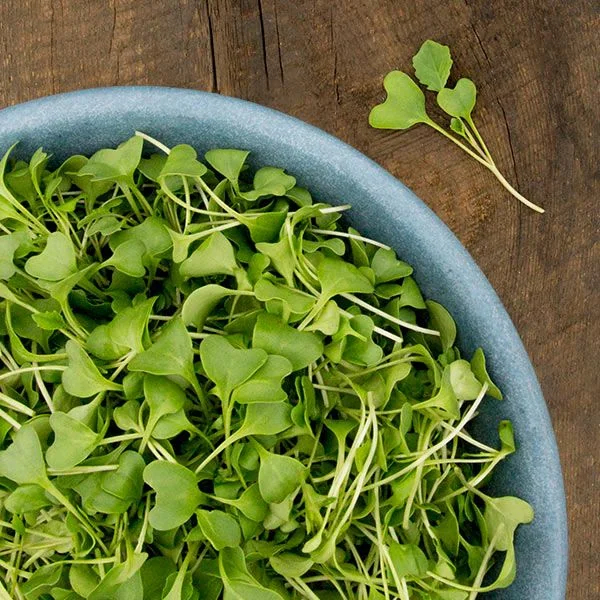
Photo: High Mowing High Mowing Broccoli microgreen seed
Organic broccoli seed for a microgreen tray.
View at High Mowing (opens in a new tab)
A kit instead of loose seed
A kit is a different purchase from a bag of seed.
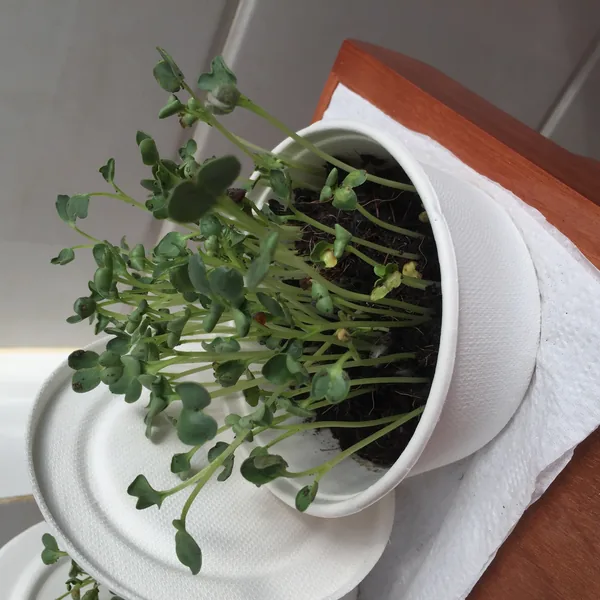
Photo: Zenyrgarden Kit
True Leaf Market Microgreens kits and supplies
Mini kits are in this collection. Check what the kit includes.
Browse microgreen kits (opens in a new tab)
Seed, a kit, or a jar
Loose seed is the right buy when you already have a tray and mix, or you are willing to choose them. A kit puts the container, the seed, and the medium in one purchase. The kit card points at True Leaf Market's kits collection.
Skip sprouting seed if you want microgreens. The FDA treats raw sprouts as a higher-risk food, including sprouts grown at home. Microgreens are still raw produce: wash your hands, the tool, and the cut greens. Washing reduces bacteria and does not eliminate them. If a tray molds, discard it. Do not try to dry it out and eat it.
Tomato, pepper, and eggplant seed are not microgreen seeds. Illinois Extension says not to eat those seedlings because of toxins in the stems and foliage. Keep them for the transplant guide if you are starting plants for a balcony.
The sowing steps, the light, and the daily check are in the first-tray guide. A small sill changes the tray size, which changes the grams. That check is the windowsill guide.
FAQ
Which microgreen seed should a beginner buy first?
One named crop. Radish is the lighter sowing in the Utah State table and it has no presoak there. Buy a bag that covers the dry grams for your tray. A mix can wait until you know what one crop looks like.
How much seed is a first tray?
Use the crop's published rate and the inside area of your tray. Utah State's 10 by 20 inch radish rate is 42 grams. A half-size tray is about half of that. Weigh the seed dry before any soak.
Are sprouting seeds the same thing?
No. Sprouts are eaten whole after a warm wet germination. Microgreens are cut above the growing mix.
Does a small packet cover a full tray?
Often no. Read the gram weight on the bag and compare it with the calculator result. A packet photo is not a tray's worth of seed.
Sources
- Stephen Beck, Grow Your Own Microgreens, Utah State University Extension, updated January 2026. Radish, pea, broccoli, and sunflower gram amounts on this page come from that table.
- Elsa Sánchez and Robert Berghage, Growing Microgreens, Penn State Extension, updated December 16, 2025.
- University of Illinois Extension, Small, but mighty microgreens are easy to grow indoors.
- U.S. Food and Drug Administration, Selecting and Serving Produce Safely.
- True Leaf Market radish, pea, broccoli, and sunflower microgreen seed product pages, and the kits collection, checked November 10, 2026.
- High Mowing Organic Seeds daikon-type radish and broccoli microgreens, checked in stock November 12, 2026.
Related guides
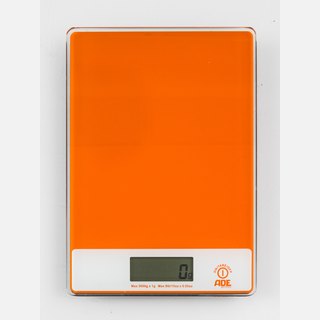
Raimond Spekking Microgreens seed calculatorScale a published 10 by 20 inch rate to your tray and estimate seed cost.
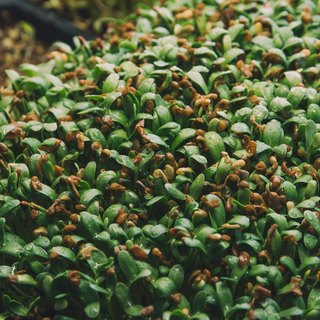
Anthony Ievlev How to grow microgreens in an apartment: your first trayPick an edible crop, size the tray, and follow one published method. A lamp is optional until the window falls short.
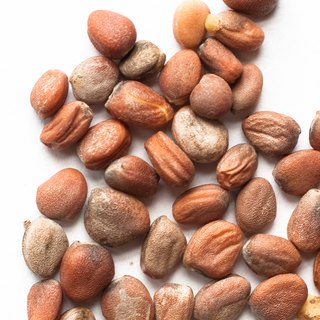
Hugowolf Microgreens seed density by crop and tray sizeUtah State lists 42 grams of radish seed for a 10-by-20-inch (1020) tray, with no presoak in that method; a 10-by-10 tray is about 21 grams.
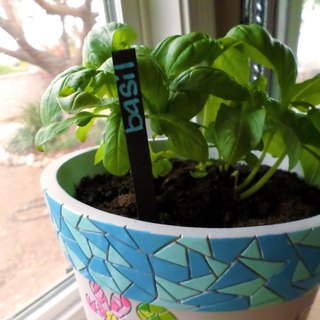
Personal Creations Can you grow microgreens on a windowsill?Start with a small tray of radish microgreens (arugula is a close second), and judge the window by the stems: upright and colored is enough; a hard lean or pale leaves means add a lamp.
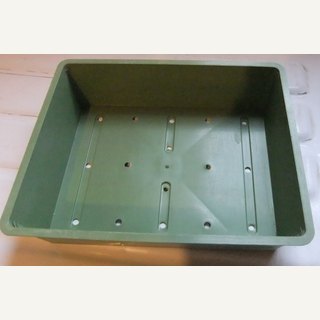
Simon Speed How to bottom water microgreens and seed traysBottom watering keeps leaves drier, which helps avoid disease, but a moldy crop should be discarded and the tray sanitized; do not eat it. Root hairs are often mistaken for mold; growth that climbs the stems is mold.
Checklist by email
Get the first-tray checklist by email from Ryan Moalemi. Confirm your address first. Unsubscribe any time.